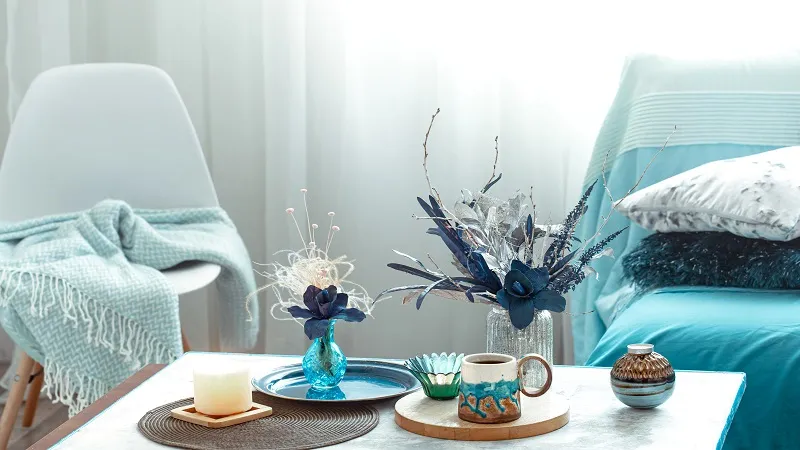
Home is more than just a place to live; it is a reflection of personality, lifestyle, and comfort. In recent years, home decor has evolved significantly, blending aesthetics with functionality to create spaces that are both beautiful and practical. Modern homeowners are increasingly looking for ways to transform their living spaces into stylish sanctuaries that promote relaxation, productivity, and well-being.
Modern home decor trends focus on simplicity, sustainability, comfort, and smart living. From minimalist interiors and natural materials to smart technology integration and personalized design elements, today’s decorating trends cater to diverse preferences while maintaining elegance and functionality. Whether you are renovating your home or simply refreshing a room, understanding the latest decor trends can help you create a living space that feels contemporary and inviting.
This article explores the most popular modern home decor trends that can help you achieve a stylish and comfortable home.
1. Minimalist Design with Maximum Impact
Minimalism continues to dominate modern interior design. The philosophy behind minimalist decor is “less is more.” Instead of filling rooms with excessive furniture and decorative items, minimalist spaces focus on clean lines, open layouts, and carefully selected pieces.
Neutral color palettes such as white, beige, gray, and soft earth tones are commonly used to create a calm and uncluttered atmosphere. Furniture often features sleek designs with simple shapes and functional purposes.
The key benefits of minimalist decor include:
- Reduced visual clutter
- Easier maintenance and cleaning
- Improved focus and relaxation
- A timeless and sophisticated appearance
By choosing quality over quantity, homeowners can create elegant spaces that feel spacious and peaceful.
2. Natural Materials and Organic Elements
One of the strongest trends in modern home decor is the use of natural materials. People are increasingly seeking connections with nature, especially as urban living becomes more common.
Wood, stone, bamboo, rattan, linen, and cotton are frequently incorporated into interior designs. These materials add warmth, texture, and authenticity to living spaces.
Popular ways to introduce natural elements include:
- Wooden furniture and flooring
- Stone countertops and accent walls
- Woven baskets and rattan chairs
- Linen curtains and cotton textiles
- Indoor plants and greenery
Natural materials create a cozy atmosphere while promoting sustainability and environmental consciousness.
3. Earth-Toned Color Palettes
Bright white interiors are gradually giving way to warmer, earth-inspired colors. Modern homes now feature shades that reflect nature and create a welcoming environment.
Trending earth-tone colors include:
- Terracotta
- Olive green
- Sand beige
- Warm brown
- Clay red
- Sage green
- Deep charcoal
These colors can be incorporated through wall paint, furniture, rugs, cushions, and decorative accessories.
Earth tones provide a sense of stability, comfort, and relaxation, making them ideal for living rooms, bedrooms, and dining areas.
4. Smart Home Integration
Technology has become an essential part of modern living, and home decor trends now include smart home features that improve convenience and efficiency.
Popular smart home innovations include:
- Smart lighting systems
- Voice-controlled assistants
- Automated curtains and blinds
- Smart thermostats
- Security cameras and doorbells
- Smart appliances
The goal is to seamlessly integrate technology into the home’s design without compromising aesthetics. Modern smart devices often feature sleek, minimalist designs that blend perfectly with contemporary interiors.
Smart homes not only enhance comfort but also improve energy efficiency and security.
5. Multifunctional Furniture
As living spaces become more compact, especially in urban environments, multifunctional furniture has become increasingly popular.
Furniture pieces that serve multiple purposes help maximize space while maintaining style.
Examples include:
- Sofa beds
- Storage ottomans
- Extendable dining tables
- Foldable desks
- Modular seating arrangements
- Beds with built-in storage
Multifunctional furniture is particularly beneficial for apartments, small homes, and home offices where space optimization is essential.
6. Biophilic Design
Biophilic design is a growing trend that emphasizes the connection between humans and nature. Research suggests that exposure to natural elements can reduce stress, improve mood, and enhance productivity.
Key features of biophilic design include:
- Large windows for natural light
- Indoor plants
- Water features
- Natural textures
- Organic shapes and patterns
- Outdoor living spaces
Houseplants such as snake plants, monstera pothos, and peace lilies have become popular decorative additions due to their aesthetic appeal and air-purifying qualities.
Biophilic design transforms homes into healthier and more refreshing environments.
7. Sustainable and Eco-Friendly Decor
Sustainability has become a major consideration in modern interior design. Consumers are increasingly choosing environmentally responsible products and materials.
Eco-friendly decor practices include:
- Purchasing recycled furniture
- Using reclaimed wood
- Selecting energy-efficient lighting
- Choosing sustainable fabrics
- Supporting local artisans
- Reducing waste through upcycling
Vintage and second-hand furniture pieces are also gaining popularity because they reduce environmental impact while adding character and uniqueness to interiors.
Sustainable design demonstrates that style and environmental responsibility can coexist beautifully.
8. Statement Lighting
Lighting plays a crucial role in shaping the mood and appearance of a room. Modern homeowners are moving beyond basic lighting fixtures and embracing statement lighting as a design feature.
Popular lighting trends include:
- Oversized pendant lights
- Sculptural chandeliers
- Geometric light fixtures
- LED accent lighting
- Layered lighting schemes
A carefully chosen lighting fixture can become the focal point of a room while enhancing functionality and ambiance.
Combining ambient, task, and accent lighting creates depth and flexibility within interior spaces.
9. Personalized Decor
Modern home decor is increasingly focused on individuality and self-expression. Rather than following strict design rules, homeowners are incorporating personal touches that reflect their interests and experiences.
Personalized decor may include:
- Family photographs
- Travel souvenirs
- Custom artwork
- Handmade crafts
- Unique collectibles
- Personalized furniture
These elements add character and authenticity to a home, making it feel more meaningful and welcoming.
The trend encourages homeowners to create spaces that tell their stories rather than simply following generic design trends.
10. Home Office Design
The rise of remote and hybrid work has significantly influenced modern home decor. Dedicated home office spaces have become a necessity for many households.
Key home office design trends include:
- Ergonomic furniture
- Adjustable desks
- Comfortable seating
- Good lighting
- Soundproofing solutions
- Organized storage systems
Modern home offices are designed to be both functional and visually appealing. Stylish furniture, decorative accessories, and calming color schemes help create productive work environments.
A well-designed home office can improve focus, efficiency, and work-life balance.
11. Open-Concept Living Spaces
Open-concept floor plans remain highly popular in modern homes. These layouts remove barriers between living rooms, dining areas, and kitchens, creating a sense of spaciousness and flow.
Advantages of open-concept living include:
- Improved natural light distribution
- Better social interaction
- Enhanced flexibility
- Increased visual space
To maintain organization within open spaces, homeowners often use area rugs, furniture arrangements, and lighting to define separate functional zones.
Open layouts contribute to a more connected and welcoming living environment.
12. Textured Interiors
Texture has become a key element in modern home design. Designers are layering different materials and surfaces to create visual interest and depth.
Popular textures include:
- Bouclé fabrics
- Velvet upholstery
- Natural wood grain
- Stone finishes
- Woven textiles
- Handmade ceramics
Combining various textures helps prevent minimalist spaces from feeling cold or sterile.
Texture adds warmth, comfort, and sophistication to modern interiors.
13. Curved Furniture and Soft Shapes
Sharp angles are being replaced by softer, more organic forms. Curved furniture introduces a sense of comfort and elegance into living spaces.
Popular curved elements include:
- Rounded sofas
- Circular coffee tables
- Arched mirrors
- Curved headboards
- Oval dining tables
These softer shapes create a welcoming atmosphere and improve the flow of a room.
The trend aligns with the broader movement toward comfort-focused design and natural aesthetics.
14. Wellness-Focused Spaces
Modern homeowners are prioritizing physical and mental well-being through intentional interior design.
Wellness-focused features may include:
- Meditation corners
- Reading nooks
- Spa-inspired bathrooms
- Air purification systems
- Aromatherapy accessories
- Comfortable relaxation zones
Creating dedicated areas for relaxation and self-care helps promote a healthier and more balanced lifestyle.
Wellness-centered design reflects the growing understanding that our environments significantly influence our overall well-being.
15. Mixing Modern and Vintage Styles
One of the most creative decor trends involves blending contemporary pieces with vintage elements. This approach creates interiors that feel layered, unique, and timeless.
Examples include:
- Modern sofas paired with antique tables
- Vintage artwork in contemporary settings
- Retro lighting fixtures
- Restored wooden furniture
Mixing old and new elements prevents spaces from feeling overly uniform and adds personality to home interiors.
The combination of modern functionality and vintage charm creates a distinctive and memorable aesthetic.
Conclusion
Modern home decor trends are evolving toward a balance of style, comfort, sustainability, and functionality. Today’s homeowners are embracing minimalist designs, natural materials, smart technology, personalized decor, and wellness-focused spaces to create environments that support modern lifestyles.
Whether you prefer a sleek contemporary look, a cozy nature-inspired retreat, or a blend of old and new styles, the key is to design a home that reflects your personality while meeting your practical needs. By incorporating these modern decor trends thoughtfully, you can transform any living space into a stylish, comfortable, and inviting home.
Ultimately, the best home decor trend is one that makes your home feel beautiful, functional, and uniquely yours.