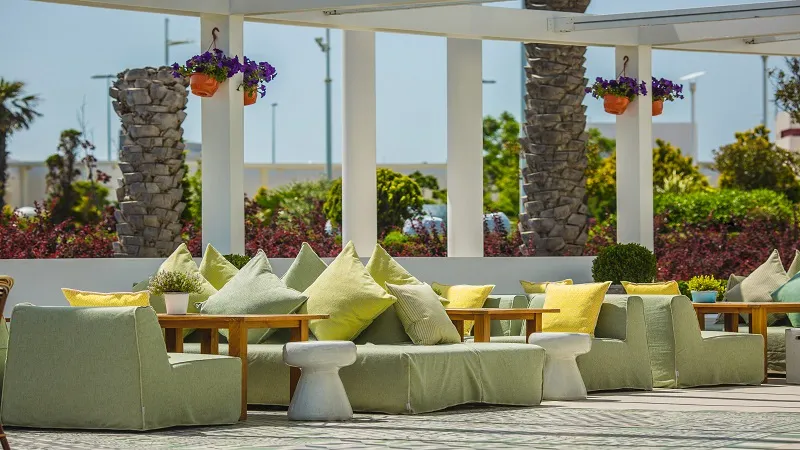
Outdoor living spaces have become an essential extension of the modern home. No longer limited to simple patios or gardens, today’s outdoor areas are designed to provide comfort, functionality, and aesthetic appeal. Whether you have a spacious backyard, a compact courtyard, or a rooftop terrace, a well-designed outdoor space can enhance your lifestyle, increase property value, and create a perfect environment for relaxation and entertainment.
Designing a modern and functional outdoor space requires thoughtful planning, a balance between beauty and practicality, and an understanding of how the area will be used. From selecting the right furniture and landscaping elements to incorporating lighting and smart technology, every detail contributes to creating an inviting and efficient outdoor environment.
This guide explores the key principles and strategies for designing a modern and functional outdoor space that meets your needs and reflects your personal style.
Understanding the Purpose of Your Outdoor Space
Before beginning any design project, it is important to define the primary purpose of the outdoor area. Consider how you and your family intend to use the space.
Some common uses include:
- Outdoor dining and entertaining
- Relaxation and leisure
- Gardening and landscaping
- Children’s play areas
- Outdoor cooking and barbecues
- Exercise and wellness activities
- Social gatherings and events
Identifying the main functions helps determine the layout, furniture selection, and design features needed to support those activities. A clear vision ensures that the space remains practical while maintaining a modern appearance.
Planning an Efficient Layout
A successful outdoor design starts with an organized layout. Modern outdoor spaces often use zoning techniques to create dedicated areas for different activities.
Dining Zone
If you enjoy outdoor meals, designate an area for a dining table and chairs. Position it near the kitchen or outdoor cooking area for convenience.
Lounge Zone
A comfortable seating area encourages relaxation and social interaction. Sofas, lounge chairs, and coffee tables help create an outdoor living room atmosphere.
Garden Zone
Plants, flowers, and landscaping elements add natural beauty and improve the overall environment. Raised beds, planters, and decorative greenery can define this area.
Activity Zone
Families with children or active lifestyles may benefit from an open space for recreation, exercise, or games.
Creating clear zones allows the outdoor area to serve multiple purposes without feeling cluttered or disorganized.
Choosing a Modern Design Style
Modern outdoor design emphasizes simplicity, clean lines, and functionality. The goal is to create a visually appealing environment that feels open and uncluttered.
Minimalist Design
Minimalism focuses on simplicity and quality rather than quantity. Key characteristics include:
- Neutral color palettes
- Streamlined furniture
- Open spaces
- Limited decorative elements
- High-quality materials
Contemporary Design
Contemporary outdoor spaces often incorporate:
- Geometric shapes
- Mixed materials
- Innovative lighting
- Modern architectural features
- Sustainable elements
Natural Modern Style
This approach blends modern design with natural materials such as:
- Wood
- Stone
- Bamboo
- Native plants
The result is a harmonious connection between architecture and nature.
Selecting Durable Outdoor Furniture
Furniture plays a major role in both comfort and functionality. Modern outdoor furniture should be stylish, weather-resistant, and easy to maintain.
Best Materials for Outdoor Furniture
Aluminum
- Lightweight
- Rust-resistant
- Durable
- Modern appearance
Teak Wood
- Natural beauty
- Long lifespan
- Weather-resistant
Synthetic Wicker
- Low maintenance
- UV-resistant
- Suitable for various climates
Stainless Steel
- Contemporary aesthetic
- Strong and durable
- Corrosion-resistant
Investing in high-quality furniture ensures long-term performance and reduces maintenance costs.
Creating Comfortable Seating Areas
Comfort is essential for a functional outdoor space. Well-designed seating areas encourage people to spend more time outdoors.
Consider adding:
- Outdoor sofas
- Lounge chairs
- Sectional seating
- Benches
- Hammocks
- Swing chairs
Enhance comfort with weather-resistant cushions and pillows in colors that complement the overall design theme.
Arrange seating to promote conversation and provide clear views of focal points such as gardens, water features, or fire pits.
Incorporating Outdoor Kitchens and Dining Areas
Outdoor cooking spaces have become one of the most popular features in modern landscape design.
Essential Outdoor Kitchen Components
- Grill or barbecue station
- Countertops
- Storage cabinets
- Sink
- Refrigerator
- Food preparation area
For dining spaces, choose durable tables and chairs designed for outdoor use. Consider shade structures such as pergolas or umbrellas to improve comfort during hot weather.
An outdoor kitchen enhances entertainment opportunities while increasing the functionality of the space.
Using Landscaping to Enhance Design
Landscaping is a critical element of modern outdoor design. Plants soften architectural features and create visual interest.
Choosing Plants
Select plants based on:
- Climate conditions
- Maintenance requirements
- Growth patterns
- Seasonal appearance
Native plants are often the best choice because they require less water and adapt well to local conditions.
Layering Vegetation
Professional landscaping typically includes multiple layers:
- Ground cover plants
- Shrubs
- Flowering plants
- Trees
This layered approach creates depth and texture while maintaining a balanced appearance.
Adding Water Features
Water features bring tranquility and sophistication to outdoor environments.
Popular options include:
- Fountains
- Water walls
- Reflecting pools
- Small ponds
- Cascading waterfalls
The sound of flowing water can reduce noise pollution and create a relaxing atmosphere.
Modern water features often feature minimalist designs that complement contemporary architecture.
Incorporating Fire Elements
Fire features provide warmth, ambiance, and a focal point for social gatherings.
Common options include:
- Fire pits
- Fire tables
- Outdoor fireplaces
- Built-in fire walls
These features extend the usability of outdoor spaces during cooler seasons and create a welcoming environment for guests.
Choose designs that align with the overall style of the outdoor area while following local safety regulations.
Maximizing Outdoor Lighting
Lighting significantly impacts both aesthetics and functionality.
Types of Outdoor Lighting
Ambient Lighting
Provides general illumination for the entire space.
Examples include:
- String lights
- Lanterns
- Wall-mounted fixtures
Task Lighting
Used for specific activities such as cooking or dining.
Examples include:
- Grill lights
- Pathway lights
- Under-counter lighting
Accent Lighting
Highlights design features.
Examples include:
- Garden spotlights
- Tree uplighting
- Water feature lighting
A layered lighting strategy enhances safety while creating a warm and inviting atmosphere.
Creating Shade and Weather Protection
A functional outdoor space should remain comfortable throughout the year.
Shade Solutions
Pergolas
Pergolas provide partial shade while maintaining an open feel.
Retractable Awnings
Offer flexibility by allowing homeowners to adjust coverage as needed.
Shade Sails
Modern and visually striking, shade sails are ideal for contemporary designs.
Gazebos
Provide complete protection from sun and light rain.
Adding shade structures improves usability and protects furniture from weather damage.
Incorporating Smart Technology
Technology is increasingly becoming part of outdoor living spaces.
Popular smart features include:
- Automated lighting systems
- Smart irrigation systems
- Outdoor speakers
- Wi-Fi connectivity
- Security cameras
- Weather sensors
Smart technology enhances convenience, efficiency, and security while contributing to a modern lifestyle.
Using Sustainable Design Practices
Sustainability is a major trend in modern outdoor design.
Water Conservation
Implement water-saving measures such as:
- Drip irrigation systems
- Rainwater harvesting
- Drought-tolerant plants
Eco-Friendly Materials
Choose sustainable materials such as:
- Recycled wood
- Reclaimed stone
- Composite decking
Energy Efficiency
Solar-powered lighting and energy-efficient appliances reduce environmental impact and operating costs.
Sustainable design benefits both homeowners and the environment.
Selecting the Right Color Palette
Color influences the mood and visual appeal of outdoor spaces.
Modern designs typically feature:
- White
- Gray
- Black
- Beige
- Earth tones
Accent colors can be introduced through cushions, planters, and decorative accessories.
Maintaining a cohesive color scheme creates a sophisticated and harmonious appearance.
Adding Decorative Elements
Accessories personalize outdoor environments and enhance visual interest.
Examples include:
- Outdoor rugs
- Decorative planters
- Sculptures
- Wall art
- Throw pillows
- Decorative lighting fixtures
The key is to avoid overcrowding the space. Modern design favors carefully selected accents rather than excessive decoration.
Improving Privacy
Privacy contributes significantly to comfort and enjoyment.
Effective privacy solutions include:
- Living green walls
- Tall hedges
- Decorative screens
- Fencing
- Pergola curtains
These features can define boundaries while maintaining an attractive appearance.
Designing Small Outdoor Spaces
Even limited outdoor areas can be highly functional.
Space-Saving Strategies
- Use multifunctional furniture
- Install vertical gardens
- Choose foldable furniture
- Utilize wall-mounted planters
- Keep the design simple
A small outdoor space can feel larger when clutter is minimized and the layout is carefully planned.
Maintaining Your Outdoor Space
Long-term functionality depends on regular maintenance.
Routine Tasks
- Cleaning furniture
- Trimming plants
- Inspecting lighting systems
- Maintaining irrigation equipment
- Sealing wood surfaces
- Cleaning pathways
Consistent maintenance preserves both appearance and performance.
Developing a seasonal maintenance schedule helps prevent costly repairs and extends the lifespan of outdoor features.
Common Mistakes to Avoid
When designing a modern outdoor space, avoid these common errors:
Overcrowding the Area
Too many furniture pieces or decorative items can make the space feel cramped.
Ignoring Climate Conditions
Choose materials and plants suitable for local weather patterns.
Poor Lighting Design
Insufficient lighting reduces usability and safety.
Lack of Storage
Include storage solutions for cushions, tools, and outdoor accessories.
Neglecting Comfort
A beautiful space must also be comfortable and practical for everyday use.
Conclusion
Designing a modern and functional outdoor space involves more than simply placing furniture in a backyard. It requires careful planning, thoughtful design choices, and a clear understanding of how the space will be used. By focusing on functionality, comfort, aesthetics, and sustainability, homeowners can create outdoor environments that enhance daily life and provide lasting enjoyment.
Whether your goal is to build a relaxing retreat, an entertainment hub, or a family-friendly gathering place, modern outdoor design offers endless possibilities. Through smart layouts, durable materials, effective landscaping, and innovative features, any outdoor area can be transformed into a beautiful and practical extension of the home.
A well-designed outdoor space not only increases property value but also creates opportunities for relaxation, social interaction, and a stronger connection with nature. By applying the principles outlined in this guide, you can create an outdoor environment that remains stylish, functional, and enjoyable for years to come.