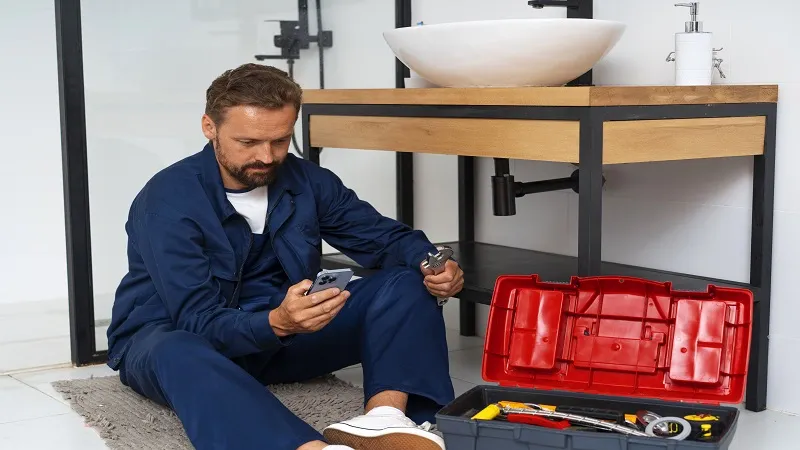
Plumbing is one of the most important systems in any home or commercial building. It provides clean water for drinking, cooking, bathing, and cleaning while safely removing wastewater. Despite its importance, many people only pay attention to their plumbing system when something goes wrong. A leaking faucet, clogged drain, or burst pipe can quickly turn from a minor inconvenience into a costly repair if not addressed properly.
Most plumbing problems are preventable with regular maintenance and responsible usage. Understanding the common issues that affect plumbing systems can help homeowners identify early warning signs and take proactive measures before serious damage occurs.
This article explores the most common plumbing problems, their causes, and practical prevention methods to keep your plumbing system functioning efficiently.
1. Dripping Faucets
The Problem
A dripping faucet is one of the most common plumbing issues found in homes. Although it may seem like a minor annoyance, a faucet that continuously drips can waste hundreds of gallons of water each year, increasing utility bills and contributing to water waste.
Common Causes
- Worn-out washers
- Damaged O-rings
- Corroded valve seats
- Loose faucet components
- High water pressure
Prevention Tips
- Inspect faucets regularly for leaks.
- Replace worn washers and seals as soon as they show signs of wear.
- Avoid turning faucets too tightly, as this can damage internal components.
- Install a pressure regulator if water pressure is consistently high.
- Schedule routine plumbing maintenance to identify minor issues before they worsen.
By addressing a dripping faucet early, homeowners can save money and conserve water.
2. Clogged Drains
The Problem
Slow or blocked drains are among the most frequent plumbing complaints. Kitchen sinks, bathroom sinks, showers, and bathtubs are all vulnerable to clogging over time.
Common Causes
- Hair buildup
- Soap scum accumulation
- Grease and oil deposits
- Food particles
- Foreign objects accidentally entering drains
Prevention Tips
- Install drain screens to catch hair and debris.
- Never pour grease or cooking oil down kitchen drains.
- Flush drains regularly with hot water.
- Avoid disposing of coffee grounds, eggshells, or food scraps in sinks.
- Clean drain covers and strainers regularly.
Preventive maintenance significantly reduces the likelihood of stubborn blockages that require professional intervention.
3. Running Toilets
The Problem
A running toilet continuously allows water to flow from the tank into the bowl. This issue can waste thousands of gallons of water annually and dramatically increase water bills.
Common Causes
- Faulty flapper valves
- Damaged fill valves
- Improper float adjustments
- Mineral buildup inside the tank
Prevention Tips
- Check toilet components every few months.
- Replace worn flappers promptly.
- Clean mineral deposits from tank mechanisms.
- Avoid using harsh chemical cleaners that may damage rubber parts.
- Test toilets regularly by adding food coloring to the tank to detect silent leaks.
Routine inspections can prevent excessive water waste and maintain efficient toilet operation.
4. Low Water Pressure
The Problem
Low water pressure can make simple tasks like showering, washing dishes, or watering plants frustrating and time-consuming.
Common Causes
- Pipe corrosion
- Mineral deposits in fixtures
- Hidden leaks
- Faulty pressure regulators
- Municipal water supply issues
Prevention Tips
- Clean faucet aerators regularly.
- Install water softeners in areas with hard water.
- Inspect pipes for leaks or corrosion.
- Schedule professional inspections if pressure drops suddenly.
- Replace aging plumbing systems when necessary.
Maintaining healthy water pressure improves comfort and helps plumbing fixtures operate efficiently.
5. Leaky Pipes
The Problem
Leaky pipes can cause significant water damage, mold growth, and structural deterioration if left untreated. Some leaks remain hidden behind walls, ceilings, or floors for extended periods.
Common Causes
- Corrosion
- Excessive water pressure
- Pipe joint damage
- Freezing temperatures
- Poor installation
Prevention Tips
- Inspect exposed pipes regularly.
- Monitor water bills for unexpected increases.
- Insulate pipes during cold weather.
- Address minor leaks immediately.
- Schedule annual plumbing inspections.
Early leak detection can save homeowners thousands of dollars in repair costs.
6. Water Heater Problems
The Problem
Water heaters provide hot water for daily household activities. When they malfunction, it can disrupt comfort and convenience.
Common Causes
- Sediment buildup
- Faulty heating elements
- Thermostat issues
- Corrosion inside the tank
- Aging equipment
Prevention Tips
- Flush the water heater tank annually.
- Check the temperature setting periodically.
- Inspect for rust, corrosion, or leaks.
- Replace the anode rod as recommended.
- Schedule professional servicing every year.
Proper maintenance extends the lifespan of a water heater and improves energy efficiency.
7. Burst Pipes
The Problem
Burst pipes are among the most severe plumbing emergencies. They can release large amounts of water in a short period, causing extensive property damage.
Common Causes
- Freezing temperatures
- Excessive water pressure
- Corrosion
- Physical damage
- Aging pipes
Prevention Tips
- Insulate pipes in unheated areas.
- Keep indoor temperatures stable during winter.
- Allow faucets to drip during extremely cold weather.
- Replace deteriorating pipes before failure occurs.
- Monitor water pressure levels.
Preventive measures can significantly reduce the risk of costly pipe bursts.
8. Sewer Line Backups
The Problem
A sewer line backup can result in unpleasant odors, slow drains, and wastewater backing up into sinks, bathtubs, or toilets.
Common Causes
- Tree root intrusion
- Grease accumulation
- Pipe collapse
- Flushing inappropriate items
- Aging sewer infrastructure
Prevention Tips
- Avoid flushing wipes, paper towels, or hygiene products.
- Dispose of grease properly.
- Schedule periodic sewer line inspections.
- Plant trees away from underground pipes.
- Address recurring drain issues promptly.
Maintaining a healthy sewer system helps protect both property and public health.
9. Garbage Disposal Issues
The Problem
Garbage disposals make kitchen cleanup easier, but improper use can lead to jams, clogs, and motor damage.
Common Causes
- Fibrous foods
- Grease buildup
- Hard objects entering the disposal
- Overloading the unit
- Lack of maintenance
Prevention Tips
- Run cold water while using the disposal.
- Avoid disposing of bones, fruit pits, and fibrous vegetables.
- Clean the unit regularly.
- Cut food waste into smaller pieces.
- Follow manufacturer guidelines.
Responsible usage extends the lifespan of the disposal and prevents plumbing blockages.
10. Sump Pump Failure
The Problem
A sump pump helps prevent basement flooding by removing excess water. Failure during heavy rainfall can result in severe water damage.
Common Causes
- Power outages
- Mechanical failures
- Clogged discharge lines
- Lack of maintenance
- Aging equipment
Prevention Tips
- Test the sump pump regularly.
- Clean the pit and discharge pipe.
- Install a battery backup system.
- Schedule annual inspections.
- Replace aging units before failure occurs.
A properly functioning sump pump provides valuable protection against flooding.
11. Frozen Pipes
The Problem
Frozen pipes occur when water inside pipes freezes and expands, creating pressure that can crack or burst pipes.
Common Causes
- Cold temperatures
- Poor insulation
- Drafts near plumbing lines
- Unheated spaces
Prevention Tips
- Insulate exposed pipes.
- Seal gaps and cracks around plumbing.
- Keep cabinet doors open during cold weather.
- Maintain indoor heating.
- Drain outdoor faucets before winter.
These measures help prevent freezing and protect plumbing systems during colder months.
12. Overflowing Toilets
The Problem
An overflowing toilet can create a messy and unsanitary situation requiring immediate attention.
Common Causes
- Drain blockages
- Sewer line issues
- Excessive toilet paper use
- Foreign objects flushed down the toilet
Prevention Tips
- Only flush toilet paper and human waste.
- Teach children proper toilet usage.
- Address slow flushing immediately.
- Keep a plunger readily available.
- Schedule inspections for recurring problems.
Quick action can minimize damage and restore normal function.
The Importance of Regular Plumbing Maintenance
Preventive maintenance is the key to avoiding costly plumbing repairs. Many major plumbing failures begin as small issues that go unnoticed. Routine inspections allow homeowners to detect leaks, corrosion, and wear before they become serious problems.
Benefits of Regular Maintenance
- Lower repair costs
- Improved water efficiency
- Reduced risk of emergencies
- Longer lifespan of plumbing fixtures
- Better water quality
- Increased property value
Simple habits such as checking for leaks, cleaning drains, monitoring water pressure, and servicing appliances can significantly improve plumbing performance.
When to Call a Professional Plumber
While some plumbing issues can be handled with basic tools and maintenance, others require professional expertise.
Contact a Professional If You Notice:
- Persistent low water pressure
- Frequent drain clogs
- Sewage odors
- Burst pipes
- Water heater malfunctions
- Major leaks
- Water discoloration
- Mold growth caused by hidden leaks
Professional plumbers have the equipment and knowledge needed to diagnose and repair complex plumbing problems safely and effectively.
Conclusion
Plumbing problems are an inevitable part of homeownership, but many of them can be prevented through regular maintenance and responsible use of plumbing fixtures. Issues such as dripping faucets, clogged drains, running toilets, leaky pipes, water heater failures, and sewer backups often begin as minor concerns that worsen over time when ignored.
By understanding the causes of common plumbing problems and implementing preventive measures, homeowners can save money, conserve water, avoid emergencies, and extend the lifespan of their plumbing systems. Investing time in routine inspections and maintenance today can prevent costly repairs and major disruptions in the future.
A well-maintained plumbing system not only ensures comfort and convenience but also contributes to a healthier, safer, and more efficient home environment.