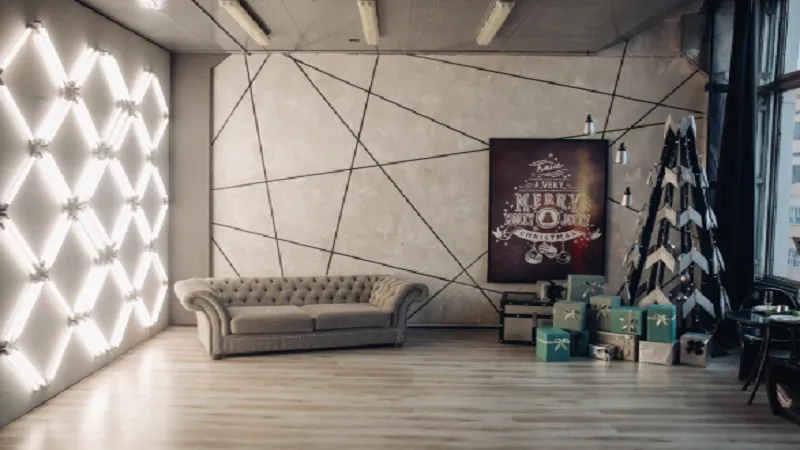
Wallpaper has moved well beyond the traditional idea of covering every wall from floor to ceiling. Contemporary interiors often use it with greater restraint, treating pattern, color, and texture as design tools rather than background decoration. A single wall can establish a room’s character, while a smaller application can bring definition to an otherwise quiet space.
The key is balance. Wallpaper tends to have the strongest effect when its scale, color, placement, and surrounding furnishings are considered together. Used selectively, it can add depth and personality without making a room feel visually crowded. Several modern approaches make that balance easier to achieve.
Use Wallpaper on One Deliberate Wall
A feature wall remains one of the simplest ways to introduce wallpaper without allowing it to dominate the entire room. Instead of applying a pattern to every available surface, one wall becomes the primary visual focus.
The most effective wall is usually one that already has architectural importance. A wall behind a bed, sofa, dining table, or console can provide a natural backdrop for the pattern. In an open-plan interior, a wallpapered wall can also help define a particular zone without requiring physical partitions.
The surrounding walls should generally remain quieter. Soft neutrals, muted tones, or colors drawn from the wallpaper can create continuity without competing for attention. When comparing patterns and finishes, a reputable wallpaper shop can provide access to different materials, textures, colors, and styles suited to particular rooms and design preferences. Large-scale botanical prints, geometric designs, murals, and textured finishes can all work effectively when their visual weight is balanced against the rest of the interior.
Choose Subtle Patterns for Larger Areas
Wallpaper does not have to feature bold imagery to make a difference. Fine geometric lines, understated botanical motifs, linen-inspired textures, and small-scale patterns can cover larger areas while maintaining a calm visual rhythm.
Neutral wallpaper is especially useful in bedrooms, home offices, and living rooms where comfort and concentration matter. A textured beige, warm gray, soft green, or muted blue can add dimension without introducing another dominant color.
Pattern density also matters. A design with generous negative space generally feels less demanding than one filled with tightly packed motifs. When wallpaper covers several walls, designs with a restrained pattern can prevent the room from appearing compressed.
Frame Wallpaper Like Artwork
A smaller section of wallpaper can function almost like a large piece of art. Rather than covering an entire wall, designers can place wallpaper inside wall moulding, recessed panels, alcoves, or other architectural sections.
This method is particularly effective with decorative prints. A patterned panel behind a console table or within a series of mouldings can create a focal point while keeping the rest of the wall visually clean.
Framing also makes it easier to work with expensive or highly detailed wallpaper. A limited quantity can have a substantial design impact without becoming the dominant feature of the room. The surrounding trim should complement the wallpaper rather than introduce another competing finish.
Use Wallpaper Above a Chair Rail
A chair rail or dado line provides a natural boundary for wallpaper. Applying it only to the upper portion of a wall can create visual interest while preserving a sense of proportion.
This treatment works well in dining rooms, hallways, bedrooms, and traditional-modern interiors. The lower wall can feature painted paneling, timber, or a solid color, while wallpaper occupies the space above it.
The two finishes should have a clear relationship. A deep green wallpaper paired with warm wood paneling, for example, can create a grounded composition. Similarly, a delicate patterned paper above a pale painted lower section can produce a lighter, more refined result.
Match Wallpaper With Existing Colors
A common mistake is selecting wallpaper independently from the rest of the interior. Even an attractive pattern can feel disconnected if its colors have no relationship with the furniture, flooring, curtains, or accessories.
A more cohesive approach begins with the colors already present in the room. Wallpaper can repeat a secondary shade found in upholstery or artwork, introduce a darker version of the wall color, or provide a subtle contrast against neutral furnishings.
This does not mean every color needs to match exactly. Slight variations can create depth. What matters is that the palette feels intentional rather than assembled from unrelated elements.
Let Furniture Remain Part of the Composition
Wallpaper should provide a setting for furniture rather than compete with it. Rooms containing heavily detailed furniture, patterned upholstery, or numerous decorative accessories usually benefit from quieter wallpaper.
Conversely, a relatively simple room can accommodate a stronger pattern. A plain sofa, uncomplicated cabinetry, and minimal accessories provide visual space for a more expressive wall covering.
Scale deserves particular attention. Oversized furniture against a tiny repetitive pattern may create an awkward contrast, while a large mural can overpower delicate furnishings. Proportion should guide the selection just as much as color.
Introduce Wallpaper in Small Spaces
Compact areas can be surprisingly effective locations for wallpaper. Powder rooms, entryways, reading corners, stair landings, and small home offices often have enough architectural boundaries to support a stronger design.
Because these spaces are usually separated from larger living areas, they can accommodate patterns that might feel excessive in a large room. A dramatic print inside a small powder room, for instance, can create a distinct atmosphere without affecting the visual balance of adjoining spaces.
Small applications can also make practical sense. A hallway or alcove may need very little material, allowing a distinctive wallpaper to be used without covering a substantial portion of the home.
Consider the Ceiling
The ceiling is often overlooked as a potential surface for wallpaper. A subtle pattern or textured design overhead can give a room a more considered appearance, particularly when the walls remain relatively plain.
This technique works best when the ceiling treatment relates directly to the rest of the room. A small geometric pattern can complement contemporary furniture, while a delicate botanical design may suit a bedroom with natural materials.
Strong contrast should be approached carefully. A dark or highly graphic ceiling can make the room feel lower, particularly when the space already has limited natural light. Softer colors and restrained patterns are generally safer choices.
Use Wallpaper to Define Built-In Features
Shelving, cabinetry, niches, and recessed walls provide natural opportunities for selective wallpaper installation. A patterned backing behind open shelves can add depth without affecting the main walls.
This is also a useful strategy for home offices and entertainment units. Wallpaper placed behind bookshelves or display cabinets can distinguish the built-in structure from the surrounding wall and give the furniture a more integrated appearance.
The strongest results usually come from limiting the treatment to the architectural feature itself. Extending the same wallpaper far beyond the intended area can dilute the effect.
Balance Bold Wallpaper With Simple Decor
A striking wallpaper does not necessarily require equally dramatic furniture. In many cases, the opposite produces a better result. Simple silhouettes, natural materials, and limited accessories allow the wall covering to remain visible without creating visual competition.
Lighting plays a role as well. Wallpaper with metallic details, raised textures, or subtle sheen may look very different under warm artificial lighting than it does in daylight. Samples should therefore be viewed at different times before a final selection is made.
It is also worth considering how the wallpaper interacts with windows and doors. Strong patterns interrupted by multiple openings may appear fragmented, while a continuous wall can provide a cleaner setting.
Think Beyond Traditional Living Spaces
Modern wallpaper applications are not limited to living rooms and bedrooms. Kitchens, laundry rooms, wardrobes, staircases, and home workspaces can all benefit from carefully selected wall coverings when the material is appropriate for the environment.
In practical areas, durability and maintenance become especially important. Wallpaper specifications should be checked before installation, particularly where moisture, heat, or frequent cleaning could affect performance.
For residential interiors, the best result is rarely achieved by simply choosing the most noticeable pattern. A successful application considers the room’s architecture, natural light, furniture, and intended mood before the wallpaper is selected.
Keep the Overall Interior in Balance
Wallpaper works best when it has a defined role within the larger design. One room may need a patterned focal wall, another may benefit from a quiet textured finish, and a smaller space may be the right setting for something more dramatic.
The objective is not to make every wall memorable. It is to give the interior variation while allowing individual elements enough space to be appreciated. For a broader perspective on how architectural features, materials, furnishings, and decorative surfaces can work together, Architectural Digest’s architecture and design coverage provides useful examples of cohesive interior compositions.
Modern interiors increasingly favor this measured approach. Selective placement, thoughtful pattern scale, and careful coordination allow wallpaper to bring character to a space without making it feel busy. The result is an interior where the wall covering contributes to the overall composition, rather than demanding attention from everything around it.