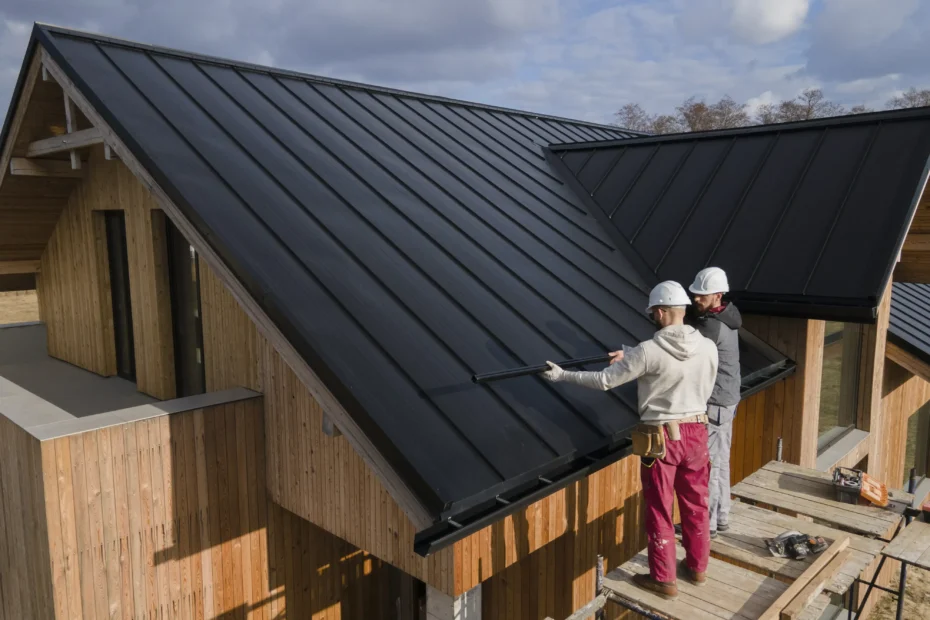
Modern roofing materials are designed to offer durability, weather resistance, energy savings, and aesthetic appeal. With advancements in roofing technology, homeowners now have access to a wide range of products that suit different architectural styles, budgets, and climate conditions.
This comprehensive guide explores the importance of quality roofing products, various roofing materials available today, essential accessories, installation considerations, maintenance practices, and how to choose the right roofing system for residential repairs, renovations, and new construction projects.
Why Quality Roofing Products Matter
Your home’s roof is exposed to rain, snow, wind, sunlight, temperature fluctuations, and environmental pollutants every day. Inferior roofing materials may deteriorate quickly, leading to leaks, mold growth, structural damage, and expensive repairs.
Quality roofing products provide numerous benefits, including:
- Longer lifespan
- Improved weather protection
- Better insulation and energy efficiency
- Enhanced curb appeal
- Reduced maintenance costs
- Increased property value
- Greater resistance to fire and impact
- Better warranty coverage
Choosing premium roofing materials ensures that your investment delivers reliable protection for decades.
Roofing Needs for Different Residential Projects
Every roofing project has unique requirements depending on whether it involves repairs, renovations, or new construction.
Residential Roof Repairs
Roof repairs address localized damage caused by storms, aging materials, leaks, or fallen debris.
Common repair products include:
- Replacement shingles
- Roofing sealants
- Flashing
- Roof cement
- Underlayment patches
- Ridge cap shingles
- Vent boots
Quality repair materials help restore the roof without compromising its structural integrity.
Roof Renovation Projects
Renovation involves upgrading an existing roof to improve durability, appearance, and efficiency.
Roof renovation may include:
- Complete roof replacement
- New underlayment installation
- Improved ventilation
- Better insulation
- Modern roofing materials
- Energy-efficient shingles
Renovating an older roof can dramatically improve a home’s safety and market value.
New Home Construction
Building a new home offers the opportunity to install a roofing system designed for maximum performance from the beginning.
New construction allows homeowners to consider:
- Long-term durability
- Architectural style
- Local climate
- Energy efficiency
- Sustainable materials
- Warranty options
- Future maintenance needs
Selecting premium roofing products during construction often results in lower maintenance costs over the life of the home.
Popular Residential Roofing Materials
Choosing the right roofing material depends on budget, climate, architectural design, and personal preference.
Asphalt Shingles
Asphalt shingles remain the most popular roofing material worldwide.
Advantages
- Affordable
- Easy installation
- Available in many colors
- Suitable for most climates
- Good lifespan
- Low maintenance
Modern architectural shingles provide improved durability and enhanced visual appeal compared to traditional three-tab shingles.
Average lifespan:
20–30 years
Metal Roofing
Metal roofs have become increasingly popular because of their exceptional durability and energy efficiency.
Available materials include:
- Steel
- Aluminum
- Zinc
- Copper
Benefits include:
- Lifespan of 40–70 years
- Fire resistance
- Lightweight
- Excellent weather protection
- Reflects heat
- Low maintenance
- Recyclable materials
Metal roofing is ideal for regions experiencing heavy rain, snow, or strong winds.
Clay Roof Tiles
Clay tiles have been used for centuries and remain popular for Mediterranean, Spanish, and Southwestern architectural styles.
Advantages include:
- Exceptional durability
- Fire resistance
- Excellent insulation
- Long lifespan
- Elegant appearance
Proper structural support is required because clay tiles are significantly heavier than asphalt shingles.
Concrete Roof Tiles
Concrete tiles offer a similar appearance to clay at a lower cost.
Benefits include:
- Long lifespan
- Strong weather resistance
- Variety of styles
- Energy efficiency
- Minimal maintenance
Concrete tiles perform exceptionally well in hot climates.
Slate Roofing
Slate is considered one of the highest-quality roofing materials available.
Benefits include:
- Natural beauty
- Extremely long lifespan
- Fire resistance
- Waterproof
- Environmentally friendly
- High property value
Proper installation by experienced professionals is essential due to the material’s weight and cost.
Wood Shingles and Shakes
Wood roofing provides a natural, rustic appearance.
Popular wood species include:
- Cedar
- Redwood
- Pine
Advantages include:
- Natural insulation
- Attractive appearance
- Environmentally friendly
- Durable when maintained properly
Wood roofs require regular maintenance and may not be suitable for wildfire-prone regions.
Essential Roofing Components
A quality roof consists of more than just shingles or tiles. Every roofing system includes multiple components working together.
Roof Underlayment
Underlayment provides an additional moisture barrier beneath roofing materials.
Common options include:
- Felt underlayment
- Synthetic underlayment
- Ice and water shield
Premium underlayment significantly reduces water infiltration.
Roof Flashing
Flashing prevents leaks around vulnerable roof areas such as:
- Chimneys
- Skylights
- Roof valleys
- Vent pipes
- Dormers
High-quality aluminum, galvanized steel, or copper flashing increases roof longevity.
Roof Ventilation
Proper attic ventilation improves airflow and reduces moisture buildup.
Benefits include:
- Prevents mold
- Reduces heat accumulation
- Improves energy efficiency
- Extends roof lifespan
- Prevents ice dams
Ventilation products include:
- Ridge vents
- Soffit vents
- Roof turbines
- Powered attic fans
Roofing Fasteners
Quality roofing nails and screws are essential for secure installation.
Features include:
- Rust resistance
- Strong holding power
- Weather durability
- Corrosion protection
Poor-quality fasteners can cause premature roof failure.
Roof Sealants
Sealants protect joints and seams against water infiltration.
Applications include:
- Flashing edges
- Pipe penetrations
- Roof vents
- Skylights
- Emergency repairs
Modern polyurethane and silicone sealants offer superior weather resistance.
Energy-Efficient Roofing Products
Energy-efficient roofing materials reduce heating and cooling costs.
Examples include:
- Cool roofing shingles
- Reflective metal roofing
- Solar reflective coatings
- Insulated roof panels
Benefits include:
- Lower energy bills
- Improved indoor comfort
- Reduced environmental impact
- Longer roof lifespan
Many energy-efficient roofing products qualify for green building certifications.
Sustainable Roofing Solutions
Homeowners increasingly prefer environmentally friendly roofing materials.
Popular sustainable options include:
Recycled Metal Roofing
Made from recycled materials and fully recyclable at the end of its life.
Composite Roofing
Manufactured using recycled plastics and rubber.
Solar Roofing
Solar shingles combine roofing protection with renewable energy generation.
Green Roof Systems
Vegetation-covered roofs improve insulation while reducing urban heat.
Sustainable roofing contributes to lower carbon emissions and better environmental performance.
Factors to Consider When Choosing Roofing Products
Selecting the best roofing products requires careful evaluation.
Important considerations include:
Climate
Different materials perform better under specific weather conditions.
For example:
- Metal roofs excel in snowy regions.
- Clay tiles perform well in hot climates.
- Impact-resistant shingles are ideal in hail-prone areas.
Budget
Roofing costs vary significantly depending on materials.
Approximate cost ranking:
- Asphalt shingles
- Composite shingles
- Metal roofing
- Concrete tiles
- Clay tiles
- Slate roofing
Consider both upfront costs and long-term maintenance.
Durability
Expected lifespan should align with your long-term housing plans.
Approximate lifespans:
- Asphalt: 20–30 years
- Metal: 40–70 years
- Clay: 50–100 years
- Slate: 75–150 years
Appearance
Roofing should complement your home’s architecture.
Color options affect:
- Curb appeal
- Energy efficiency
- Neighborhood aesthetics
- Property value
Modern manufacturers offer hundreds of styles and colors.
Warranty
Quality roofing manufacturers provide warranties covering:
- Material defects
- Wind resistance
- Algae protection
- Installation systems
Longer warranties often indicate higher product quality.
Importance of Professional Installation
Even premium roofing products can fail if improperly installed.
Professional roofing contractors ensure:
- Correct installation methods
- Building code compliance
- Proper ventilation
- Safe working practices
- Manufacturer warranty protection
Hiring experienced installers reduces future repair costs.
Common Roofing Problems
Understanding common roofing issues helps homeowners recognize when repairs are necessary.
Typical problems include:
- Missing shingles
- Water leaks
- Damaged flashing
- Clogged gutters
- Poor ventilation
- Cracked tiles
- Sagging roof decking
- Mold growth
- Ice dam formation
- Wind damage
Early detection minimizes expensive structural repairs.
Roof Maintenance Tips
Routine maintenance extends roof lifespan.
Recommended practices include:
- Inspect the roof twice yearly.
- Clean gutters regularly.
- Remove debris.
- Trim overhanging branches.
- Replace damaged shingles immediately.
- Check flashing for deterioration.
- Inspect attic ventilation.
- Remove moss and algae safely.
- Schedule professional inspections after major storms.
Preventive maintenance protects your roofing investment.
Signs You Need Roof Replacement
Repairs may no longer be sufficient if you notice:
- Multiple leaks
- Curling shingles
- Extensive granule loss
- Frequent repairs
- Sagging roof
- Severe storm damage
- Roof older than its expected lifespan
- Rotting roof decking
- Mold throughout the attic
Replacing an aging roof often provides better long-term value than repeated repairs.
Benefits of Investing in Premium Roofing Products
High-quality roofing materials offer numerous long-term advantages.
Better Weather Resistance
Premium materials withstand heavy rain, wind, snow, hail, and UV exposure more effectively.
Increased Property Value
A new roof enhances resale value and buyer confidence.
Lower Maintenance Costs
Durable products require fewer repairs over time.
Improved Energy Efficiency
Modern roofing systems reduce heating and cooling expenses.
Enhanced Safety
Quality roofing minimizes water intrusion, mold, and structural deterioration.
Superior Appearance
Premium materials improve curb appeal and complement modern architectural designs.
Future Trends in Residential Roofing
The roofing industry continues to evolve with innovative technologies.
Emerging trends include:
- Smart roofing systems
- Solar-integrated shingles
- Recycled composite materials
- Self-healing roof coatings
- Advanced synthetic underlayments
- Drone roof inspections
- Cool roof technologies
- AI-assisted roof monitoring
These innovations promise longer-lasting, more sustainable roofing solutions.
Conclusion
A home’s roof is far more than just a protective covering—it is a vital investment in safety, comfort, energy efficiency, and long-term property value. Whether you’re repairing minor damage, renovating an older home, or constructing a new residence, choosing quality home roofing products ensures reliable performance and lasting protection against the elements.
From affordable asphalt shingles and durable metal roofing to elegant slate and energy-efficient solar options, today’s homeowners have access to a wide variety of roofing materials tailored to different budgets, climates, and architectural styles. Pairing premium materials with essential components such as high-performance underlayment, flashing, ventilation systems, and quality fasteners creates a complete roofing system that can withstand years of exposure to harsh weather while maintaining its appearance and functionality.
In addition to selecting the right products, proper installation by experienced professionals and regular maintenance are crucial for maximizing the lifespan of any roofing system. Routine inspections, timely repairs, and preventive care can help homeowners avoid costly damage and preserve the integrity of their investment.
Ultimately, quality roofing products provide more than protection—they deliver peace of mind, improve energy efficiency, enhance curb appeal, and increase the overall value of a home. By making informed choices and prioritizing long-term performance over short-term savings, homeowners can enjoy a durable, attractive, and dependable roof that will safeguard their family and property for decades to come.